Zellige Tile vs Ceramic Tile: Which One Enhances Your Kitchen Space?
When redesigning a kitchen, selecting the right tile is crucial to achieving a harmonious blend of functionality and aesthetics. Two popular choices that often come into consideration are Zellige Tile and ceramic tile. Each option offers distinct advantages, making them suitable for different design goals and preferences. This article will explore the unique characteristics of Zellige Tile and ceramic tile, compare their installation and maintenance requirements, and help you determine which type best enhances your kitchen space.
Zellige Tile: A Unique Aesthetic for Your Kitchen
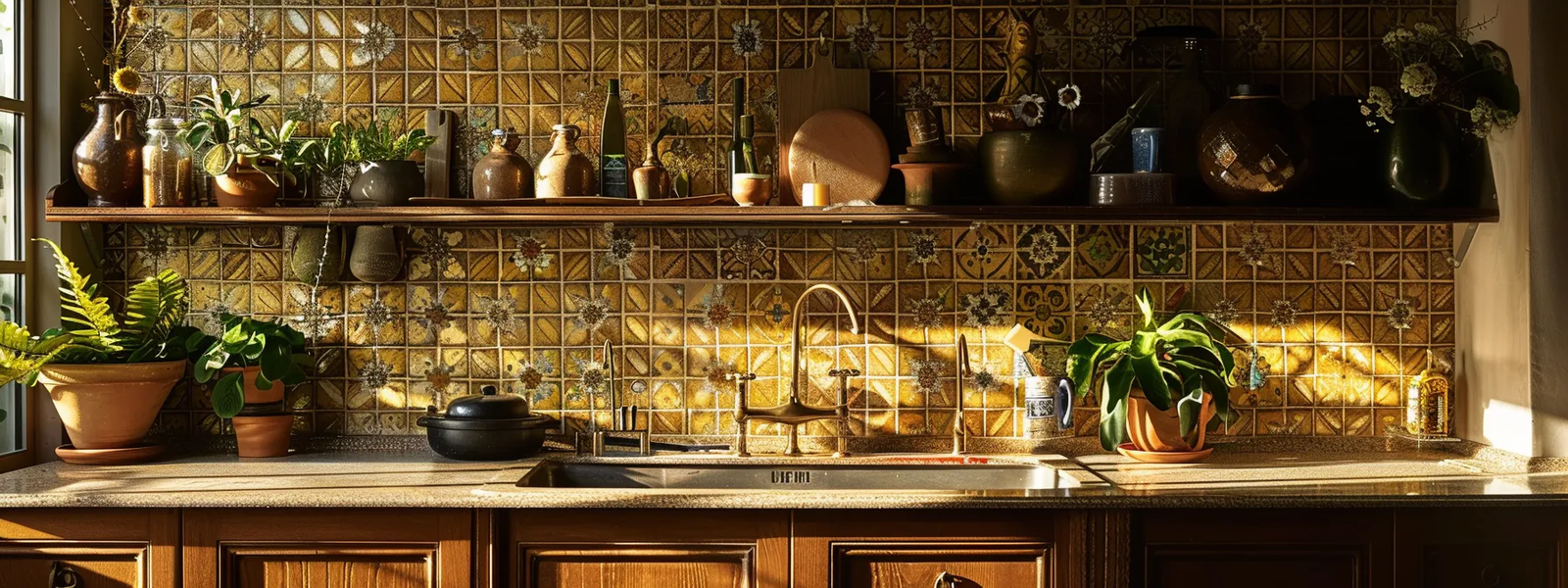
Zellige Tile, known for its rich history and handcrafted appeal, offers a unique aesthetic that can transform any kitchen. These tiles are made from non-refined natural clay sourced from the Fez region in Morocco, and their distinct look comes from the traditional glazing process. Each piece is handmade, resulting in variations in color and texture that add depth and character to the space.
Incorporating Zellige Tiles into your kitchen design can create a timeless, artisanal look. The tiles’ irregular surface and color variation are ideal for creating a focal point, whether as a backsplash or an accent wall. Interestingly, Zellige Tile has gained popularity in contemporary design due to its ability to complement both modern and traditional styles seamlessly. A recent trend, highlighted by ArchDaily, shows a growing preference for using these tiles in sustainable and eco-friendly projects, aligning with principles such as LEED Certification.
For those interested in exploring the possibilities of Zellige Tile, you can find a variety of styles and colors at Zellige Tile.
Ceramic Tile: Versatility and Durability in Design
Ceramic tiles are renowned for their versatility and durability, making them a popular choice for various kitchen designs. These tiles are made from a mixture of clays and minerals, fired at high temperatures to achieve a hard, durable surface. Available in a wide range of colors, patterns, and finishes, ceramic tiles can easily fit into any kitchen style, from rustic to contemporary.
One of the key advantages of ceramic tile is its durability, especially in high-traffic areas like kitchens. The tiles are resistant to moisture, stains, and scratches, making them a practical choice for busy households. Additionally, the design options are virtually limitless, allowing homeowners to create intricate patterns or a simple, clean look. According to Houzz, ceramic tiles’ adaptability makes them a staple in both residential and commercial applications, often used in conjunction with mood boards to visualize space design.
Moreover, ceramic tiles can contribute to improved indoor air quality, as they do not harbor allergens or emit volatile organic compounds (VOCs), aligning with sustainable design practices.
Comparing Installation and Maintenance of Zellige and Ceramic Tiles
When it comes to installation, Zellige Tiles require a more meticulous approach due to their handcrafted nature. The tiles’ irregularities necessitate a careful layout and fitting process, often involving a professional to ensure a seamless appearance. Furthermore, because Zellige Tiles are porous, they need to be sealed properly to prevent moisture absorption.
In contrast, ceramic tiles are easier to install due to their uniform shape and size. They are typically mounted on a subflooring system, which ensures stability and longevity. Maintenance for ceramic tiles is straightforward; regular cleaning with a mild detergent keeps them looking new, and they rarely need sealing.
Both tile types have their maintenance considerations, but the choice may ultimately depend on your willingness to invest in long-term care versus ease of installation. A kitchen designed with precision in mind, akin to a schematic design, will benefit from understanding these installation intricacies.
Making the Right Choice for Your Kitchen Space
Choosing between Zellige and ceramic tile involves weighing aesthetic desires against practical needs. If your goal is to create a space that showcases unique craftsmanship and artistic flair, Zellige Tiles offer an unmatched visual impact. Their ability to reflect light and produce a warm, inviting atmosphere can be enhanced by incorporating elements of color theory into your kitchen’s design.
On the other hand, if your focus is on functionality and ease of maintenance, ceramic tiles provide a versatile and durable solution. They can withstand the rigors of daily kitchen activities while offering a wide array of design possibilities.
The decision ultimately hinges on your personal style, budget, and how you envision your kitchen space functioning and feeling. Engaging in a site analysis and considering the role of elements like FF&E (furniture, fixtures, and equipment) can guide you toward the right choice.
Conclusion

Both Zellige and ceramic tiles have the potential to enhance your kitchen, each in their unique way. Zellige Tiles bring a handcrafted, artistic element, while ceramic tiles offer durability and versatility. By understanding the characteristics and demands of each tile type, you can make an informed decision that aligns with your aesthetic preferences and practical needs. Your kitchen space will not only be functional but also a true reflection of your personal style.